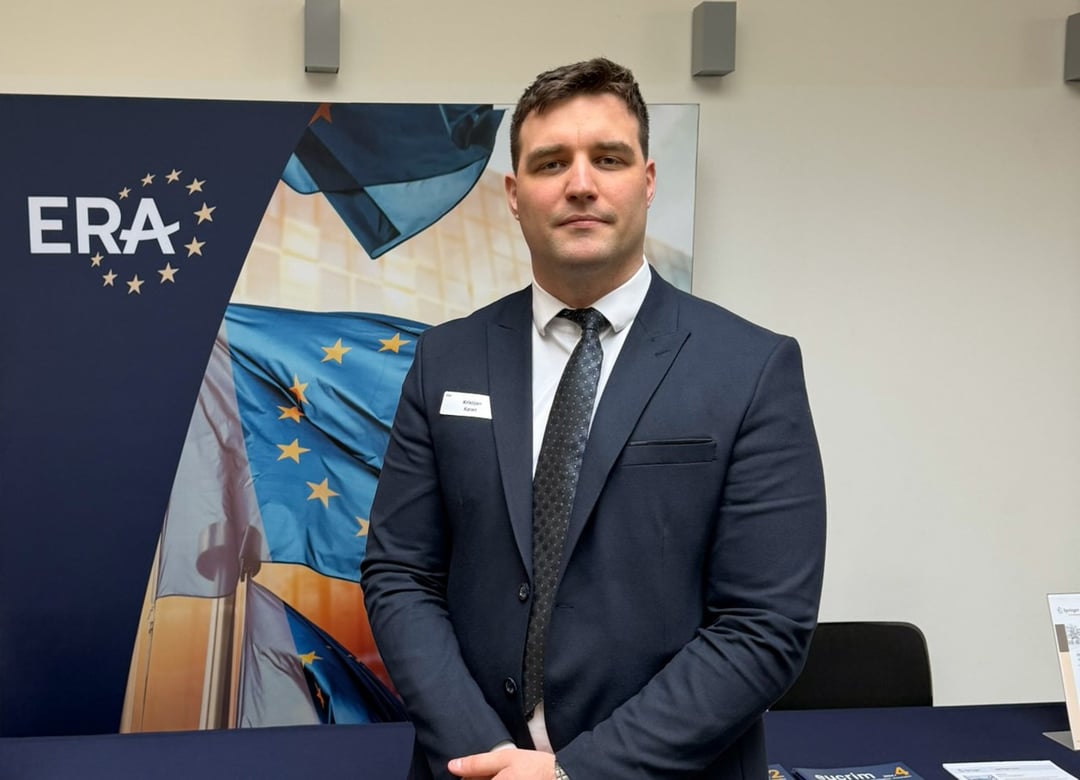


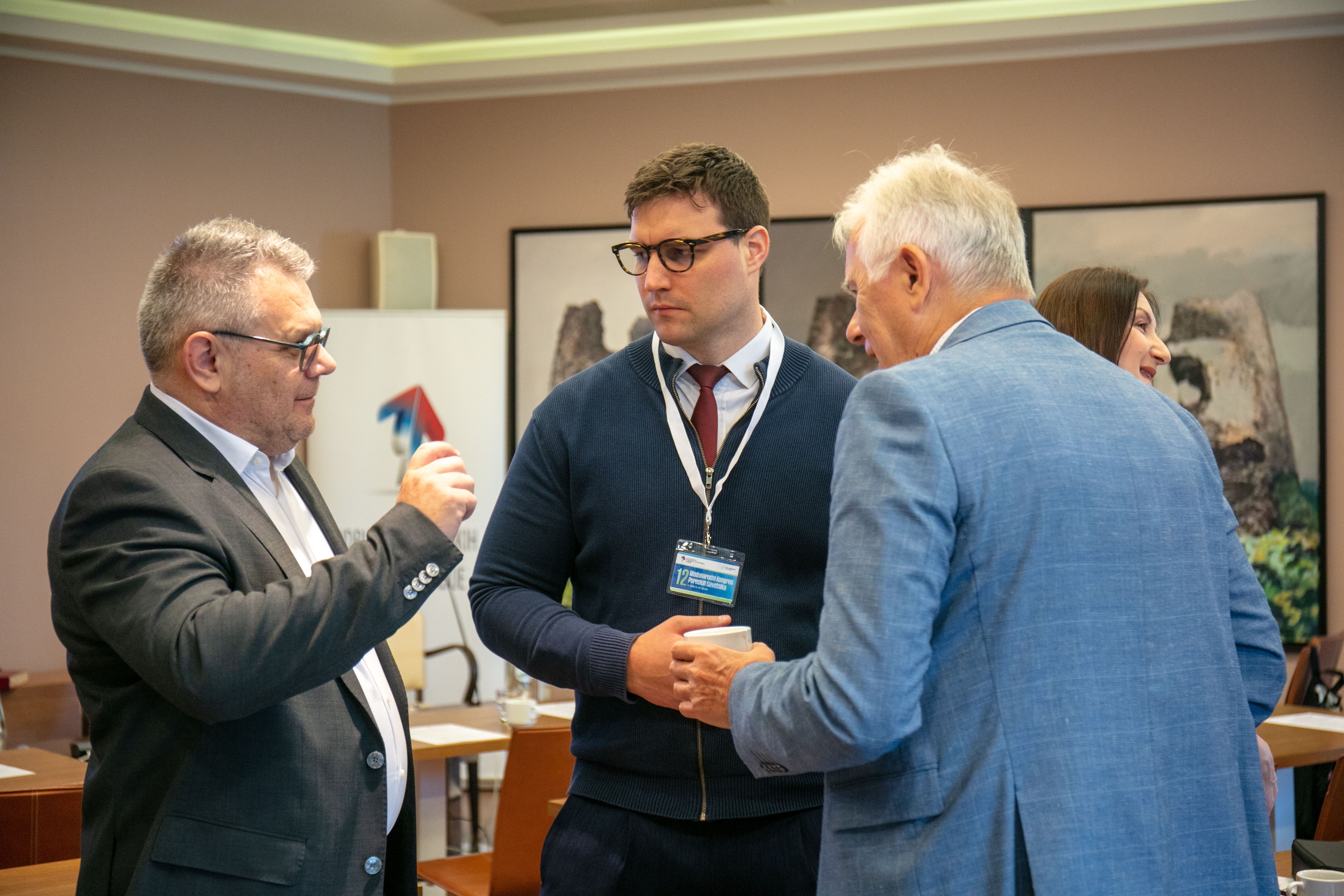
Kristijan Karan, Attorney at Law based in Novi Sad, participated in the 12th International Congress of Tax Advisers, held on 5 and 6 June 2026 in Vrdnik, Serbia, organized by the Serbian Association of Tax Advisers in cooperation with the European Association of Tax Advisers (Confédération Fiscale Européenne - CFE).
Some of the topics discussed at the Congress included: the legal and tax aspects of digital assets, beneficial ownership in tax law, the impact of the case law of the Court of Justice of the European Union on tax procedures in Serbia, the taxation of digital services in the context of the OECD Pillar Two initiative, current tax trends in the European Union, permanent establishments under European VAT rules, fiscal consolidation, the shadow economy and tax collection in Serbia, as well as the challenges of harmonizing the tax legislation of the Republic of Serbia with European Union tax law.
One of the topics most relevant to the work of our law office was the concept of beneficial ownership in tax law, presented by Dr. Miloš Vasović, Research Fellow at the Institute of Comparative Law. The topic is of particular importance in international business and cross-border transactions, as it directly affects the application of double taxation treaties, the tax treatment of dividends, interest and royalties, as well as the assessment of whether a particular person is genuinely entitled to benefit from the advantages provided under international tax treaties. The presentation examined the development of this concept through the OECD Model Tax Convention, its relationship with modern anti-abuse rules, and current issues concerning its application in the tax practice of the Republic of Serbia.
As a practical example, the presentation referred to a case involving the payment of interest or dividends from the Republic of Serbia to a company incorporated in Cyprus. If it is determined that the Cypriot company is not the beneficial owner of the income, but merely passes the income on to the ultimate recipient in another jurisdiction, the tax authorities may deny the application of the benefits provided under the double taxation treaty between Serbia and Cyprus. In such a case, the preferential treaty tax rate would not apply and the tax would instead be assessed in accordance with domestic tax legislation. The presentation particularly emphasized the importance of correctly determining the economic substance of a transaction and identifying the actual recipient of the income, rather than relying solely on the formal legal structure of the arrangement.
Another highly topical subject was the taxation of digital services in the context of the Pillar Two global tax reform, presented by Nataša Dobrosavljević. The presentation highlighted that traditional tax systems, which are based on the physical presence of companies, are increasingly struggling to keep pace with the digital economy, where large technology companies generate substantial revenues without maintaining a traditional physical presence in the markets in which they operate. The fundamental mechanisms of the Pillar Two framework were presented, including the global minimum tax rate of 15%, the GloBE rules, and issues relating to their implementation in Serbia. Particular attention was given to the risk that any top-up tax on the profits of multinational enterprises generated in Serbia could be collected by other jurisdictions if Serbia does not introduce the appropriate domestic rules.
For our law office, participation in professional conferences of this kind is of particular importance. We believe that high-quality and comprehensive legal assistance in the field of corporate and commercial law cannot be provided without a thorough understanding of tax, accounting and financial rules, which constitute an indispensable part of the day-to-day operations of business entities. In addition, participation in such events enables us to further strengthen and expand our already established network of professional contacts with tax advisers, accountants, tax inspectors, former heads of tax authorities, auditors and other professionals, allowing us to examine complex tax, financial and accounting issues faced by our clients from multiple perspectives and to identify appropriate solutions more effectively. Such knowledge is particularly valuable in cases involving corporate crime and asset recovery proceedings, where it is often necessary to analyse financial documentation, trace the flow of funds, understand tax records, identify unusual transactions, correlate business events with accounting records and recognize patterns that may indicate the unlawful extraction of assets from a company. In practice, when representing shareholders, investors and other injured parties, the analysis of accounting books, tax returns, bank statements, contracts, invoices and financial reports frequently makes it possible to identify irregularities pointing to the unlawful disposal of company assets, concealed diversion of revenues, abuse of authority by corporate officers or other forms of financial harm suffered by our clients. For this reason, we consider continuous professional development in the fields of tax law, finance and accounting to be an essential component of the legal services we provide to both domestic and international clients, particularly in complex commercial disputes, internal investigations, criminal proceedings and matters aimed at tracing and recovering unlawfully transferred assets.
Author: Law Office of Kristijan Karan
Published: June 22, 2026